
Solar Gadgets
Solar Gadgets For Home

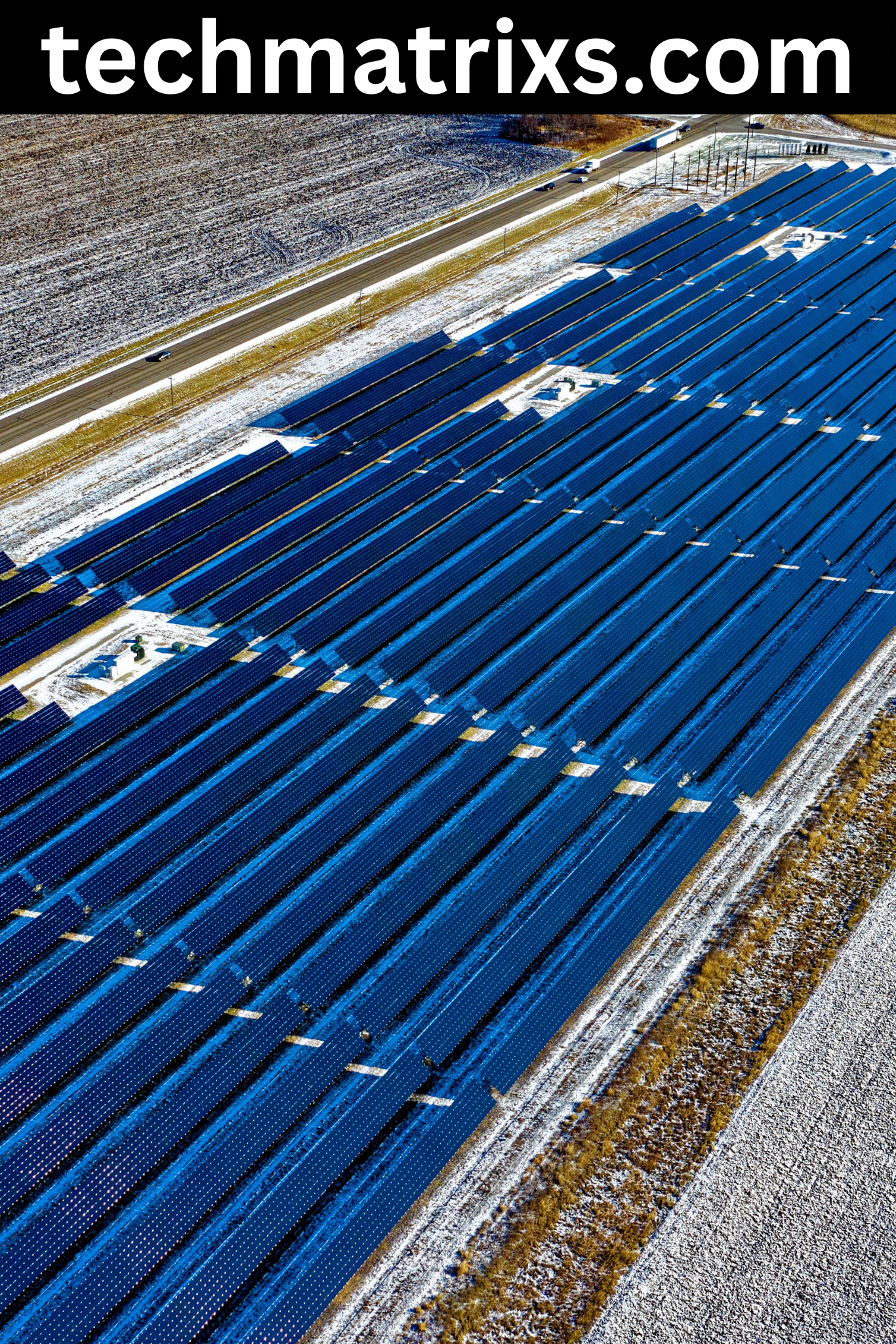
Solar Gadgets For Home
Introduction:
Cut your electricity bills instantly. Discover the best eco-friendly solar gadgets to power your home efficiently and sustainably today.
Learning how to use a solar generator for your garden might be one of the smartest decisions you’ll make this year. A lovely garden typically requires more power than you imagine, but running extension cords or relying on gas-powered equipment gets expensive and harms the environment. Solar generators offer a cleaner alternative that slashes ongoing fuel costs and reduces your carbon footprint. In this guide, I’ll walk you through how solar generators work, how to use a generator with solar panels to power everything from irrigation pumps to lawn mowers, and how to use a solar powered generator effectively in your space. We’ll also cover how to use a generator to charge solar batteries and even explore scaling up to power your house.
To Read more Aritcles this type Click Here
Know about Solar Genrator
A solar generator isn’t what most people picture when they hear the word “generator.” Essentially, it’s a portable battery storage system that captures and stores electricity from solar panels. Unlike traditional generators with moving parts and engines, solar generators package everything you need into one unit: battery storage, charging controls, and power conversion.
The Basic Components of a Solar Generator
Understanding how to use a solar generator starts with knowing what’s inside. Four main components work together to capture, store, and deliver power:
- Solar Panels: These photovoltaic modules contain cells (usually silicon-based) that trap sunlight and convert it into direct current electricity. Over 90% of panels use polycrystalline or monocrystalline cells.
- Charge Controller: This regulates the voltage and current flowing from your panels to the battery, preventing overcharging that damages battery cells. You’ll find either MPPT (Maximum Power Point Tracking) or PWM (Pulse Width Modulation) controllers in most systems.
- Battery: Stores the DC electricity for later use, even when the sun isn’t shining. Modern units typically use LiFePO4 batteries, which last longer and perform more safely than older battery types.
- Inverter: Converts stored DC electricity into AC power that runs standard household appliances and garden equipment.
How Solar Generators Convert Sunlight to Power
The process begins with photovoltaic cells in the solar panels. When sunlight hits these cells, it triggers the photovoltaic effect, releasing electrons that flow as DC electricity. This DC power travels through the charge controller, which manages the charging rate to protect your battery. When you plug in your garden tools or equipment, the inverter converts the stored DC power into AC electricity that your devices can use.
Why Solar Generators Are Different from Gas Generators
Gas generators burn fossil fuels, creating noise and releasing carbon monoxide and other toxic fumes. You can’t safely run them indoors or in enclosed spaces. Solar generators, on the other hand, produce zero emissions and operate silently. They’re lighter, too, since they lack heavy fuel tanks and engines. Whereas gas generators need constant refueling and regular maintenance, solar generators require almost none. The sun provides free fuel as long as you position your panels correctly.
Garden Tools and Equipment You Can Power with a Solar Generator
Your solar generator handles more garden equipment than you might expect. From cutting grass to watering plants, these portable power stations run the tools that keep your outdoor space thriving.
Electric Lawn Mowers and Trimmers
Electric lawn mowers draw between 500-1500 watts during operation. String trimmers (weed whackers) consume less power but still benefit from solar charging. Many modern electric mowers use removable battery packs, so you can recharge multiple batteries throughout the day and swap them as needed.
Watering Systems and Irrigation Pumps
Water pumps and automatic irrigation systems require 100-500 watts. Solar generators power both well pumps and surface pumps for livestock watering, garden irrigation, and pond filling. Drip irrigation systems paired with solar power save money compared to running AC pumps for hours daily.
Outdoor Lighting for Pathways and Gardens
Each outdoor light typically needs 10-50 watts, depending on brightness and type. You can illuminate pathways, accent garden features, or create evening ambiance without running extension cords. LED work lights also connect to solar generators for projects that extend into darker hours.
Power Tools for Garden Maintenance
Leaf blowers, drills, hedge trimmers, and chainsaws generally require 200-500 watts In similar fashion, pond pumps and bug zappers draw modest power loads that solar systems handle easily.
Greenhouse Heaters and Fans
Greenhouse heaters typically demand 1000-2000 watts, depending on space size and target temperature. Fans provide circulation and temperature regulation for plants that won’t flower or fruit above 85 degrees. Solar-powered ventilation systems eliminate the need for external electricity while maintaining optimal growing conditions.
To Read more Aritcles this type Click Here
Small Appliances for Outdoor Use
Mini refrigerators keep drinks cold during hot gardening days. Small fountains, decorative water features, and other low-wattage appliances all run off your solar generator.
How to Choose the Right Solar Generator for Your Garden
Picking the right solar generator prevents frustration and wasted money. You don’t want a unit that dies halfway through mowing your lawn or one so oversized you paid for capacity you’ll never use.
Calculate Your Garden’s Power Needs
Start by listing every tool and appliance you’ll run simultaneously. Check each item’s wattage rating on the device itself, in the user manual, or on a wattage chart. If you only see amps and volts listed, multiply those numbers to get wattage.
Then factor in surge watts, which some equipment needs during startup. Calculate surge wattage by adding your total running watts plus the highest starting wattage among your devices. For instance, if you plan to run an electric mower (1200W), a water pump (300W), and outdoor lights (100W), you need at least 1600W running capacity plus the mower’s surge requirement.
Small gardens with basic tools work fine with 1000-2000W generators. Medium-sized gardens benefit from 2000-3000W units. Large gardens running multiple high-power devices simultaneously need 3000W or higher.
Match Battery Capacity to Your Usage
Battery capacity, measured in watt-hours (Wh), determines runtime. A simple equation estimates this: total watt-hours divided by device watts equals hours of operation. A 2048Wh generator powering a 750W heater runs roughly 2.5 hours. Smaller capacities (1000-2000Wh) power basic tools for a full day. Larger capacities (3000Wh and up) support high-power equipment like mowers and heaters for extended periods.
Consider Portability and Size
Large gardens require moving your generator frequently, so compact, lighter designs matter. Most units weigh at least 10 pounds, with weight increasing alongside capacity. Consider where you’ll store it and how easily you can transport it across your property.
Check Solar Panel Compatibility
Match your panel’s voltage output to the generator’s input range. A 24V panel needs a generator accepting 24V input. Panel wattage should equal or exceed the generator’s maximum charging rate. Connector types must match too; MC4 connectors are common, but verify compatibility before purchasing.
Setting Up and Using Your Solar Generator in the Garden
Getting your solar generator up and running requires attention to panel placement and proper connections.
Best Placement for Solar Panels
Position your panels facing south for maximum sunlight exposure. South-facing panels receive consistent light throughout the day as the sun travels east to west. Set the tilt angle equal to your location’s latitude. Ground-mounted panels work well if your roof isn’t suitable, offering flexibility in positioning and angling.
Connecting Your Garden Equipment Safely
Check all ports for dust and debris before plugging in devices. Inspect cables for fraying or damage. Verify that your equipment’s power requirements match the generator’s output capacity to prevent overloading.
Storing Energy for Nighttime and Cloudy Days
Your generator switches to battery mode automatically at night, drawing from stored energy. On cloudy days, panels still produce 10-40% of their rated output. Charge fully during sunny periods to maximize stored power for less favorable conditions.
Basic Maintenance to Keep It Running
Wipe down the generator exterior with a dry cloth, keeping vents clear. Store your unit in a cool, dry location. Recharge the battery every three months during extended storage to prevent deep discharge.
Using Timers and Smart Controls
Modern solar generators support app monitoring to track battery health and charging efficiency. Pair irrigation systems with solar-powered timers for automated watering schedules.
Conclusion
Solar generators transform how you power your garden without the noise, fumes, or ongoing fuel costs of traditional generators. Essentially, they provide clean, reliable energy for everything from lawn mowers to irrigation systems while reducing your environmental impact.
Calculate your power needs carefully, choose a generator with adequate capacity, and position your panels correctly. You’ll discover that switching to solar power is simpler than you imagined, and your garden will thrive with this sustainable energy solution.

-
 Solar Gadgets3 months ago
Crucial Fronus PV5200 Program Settings Explained
-

 Coding Tools3 months ago
Common Errors: “Out of Memory” fix
-

 Coding Tools2 months ago
How to Set Up Continue AI Offline?
-
 Solar Inverter3 months ago
How to Configure Your Solar Inverter Manual
-
 Solar Inverter2 months ago
How to set inverter for 24 hour backup
-
 Solar Gadgets2 months ago
7 Best Solar Powered Camping Gear 2026